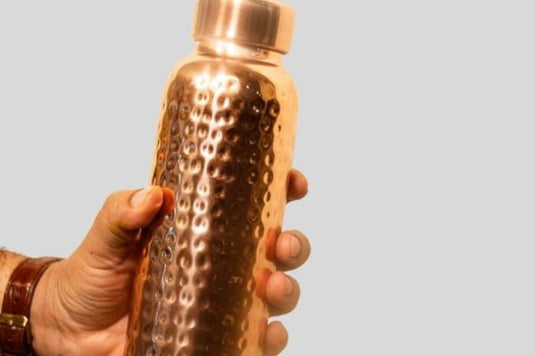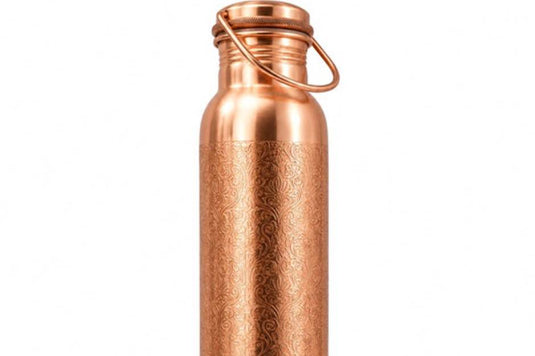
Water is the simplest thing we drink, yet the bottle we carry it in says a lot about our daily habits. Choosing between copper and stainless steel is not just about looks. It is about how we hydrate, how our body responds, and what fits our lifestyle best. If you are searching for the best copper water bottle online, this blog breaks down the real differences so you can make a choice that suits your routine.
Why the Bottle Material Actually Matters
Most people grab a bottle without thinking twice about what it is made of. But the material touches your water, your taste buds, and sometimes your health.
Copper and stainless steel are the two most trusted names in reusable drinkware today. Both promise durability. Both claim to be better than plastic. Yet they work in very different ways.
We believe understanding these differences helps you pick a bottle that actually supports your daily wellness goals, not just one that looks good on your desk.
How Copper Works Inside Your Bottle
Copper is not just a metal. It has a long history in Ayurvedic tradition, where water stored overnight in copper vessels was believed to carry natural benefits.
Here is what copper brings to the table:
- Natural antimicrobial properties that may help reduce certain bacteria in stored water
- A traditional wellness practice rooted in Tamra Jal, the Ayurvedic method of copper-infused hydration
- A distinct, warm appearance that changes character over time
- Support for digestion and immunity, according to Ayurvedic principles
Copper bottles are not meant for hot beverages or acidic drinks. Plain water is the ideal companion here.
How Stainless Steel Performs Differently
Stainless steel is the practical choice for many households. It is tough, easy to clean, and does not react with most liquids.
Some key points worth noting:
- Works well with hot and cold drinks alike
- Resistant to rust, dents, and daily wear
- No taste transfer, since the metal stays neutral
- Widely available in double-walled, insulated versions
Stainless steel does not carry the same wellness tradition as copper, but it holds its own when it comes to sheer convenience.

Comparing Health Claims: What Do They Really Offer?
Health-conscious buyers often ask which bottle actually improves their hydration. The honest answer is that both materials offer benefits, just in different ways.
Copper water, when stored for six to eight hours, is believed to pick up trace minerals that support the body naturally. Many people fill their copper bottle overnight and drink it first thing in the morning, following an old Ayurvedic ritual passed down through generations.
Stainless steel, meanwhile, keeps water exactly as it is. No mineral infusion, no taste change, just clean and neutral hydration.
If your goal is a traditional wellness ritual, copper feels more purposeful. If you simply want a reliable bottle for gym sessions or office use, stainless steel is hard to beat.
Durability and Everyday Practicality
Neither material is fragile, but they age differently. Copper develops a natural patina over time. This is not damage. It is simply the metal reacting to air and moisture, and many people actually like this aged look. Regular cleaning with lemon and salt keeps it shining.
Stainless steel stays visually consistent for years. It does not tarnish, and it handles rough daily use without much care needed.
Weight is another factor. Copper bottles tend to feel slightly heavier and more premium in hand. Stainless steel bottles, especially insulated ones, can vary widely depending on the brand and design.
Taste and Temperature Differences
This is where the two metals really separate. Copper does not keep water cold or hot for long. It is designed for room-temperature hydration, following the Ayurvedic belief that this is how the body absorbs water best.
Stainless steel, particularly double-walled variants, can keep drinks cold for hours or hot for a good stretch of the day. If you need your coffee to stay warm during a long commute, stainless steel wins this round easily.
Taste also differs. Copper can impart a very slight metallic note over time, which some people enjoy as part of the tradition. Stainless steel keeps flavours completely untouched.
Which One Should You Choose?
The right choice depends on what you value most in your daily hydration routine.
Consider copper if you want:
- A connection to Ayurvedic wellness traditions
- A bottle with natural antimicrobial qualities
- An elegant, handcrafted look that ages beautifully
- A simple ritual of drinking room-temperature water each morning
Consider stainless steel if you want:
- Temperature control for hot or cold drinks
- Zero maintenance and long-term durability
- A neutral taste with no metal influence
- A practical option for gym, travel, or office use
Many households actually keep both. Copper for the morning ritual, stainless steel for the rest of the day.
Choosing Quality When Buying Online
Not every copper or steel bottle sold online is made equally. When shopping, look for a few signs of genuine quality.
- Check for lab-tested purity certifications
- Look for handcrafted detailing rather than mass-produced finishes
- Read reviews about leak-proof lids and build quality
- Confirm the seller offers proper aftercare guidance, like cleaning tips
Buyers searching for pure copper drinkware or hydration bottles with proven authenticity often prefer sellers who publish clear lab reports and sourcing details, rather than vague claims.

Sustainability and Environmental Impact
Both materials score well when compared to single-use plastic, but they are not identical in their environmental footprint. Copper is fully recyclable and biodegradable in its raw form, and a well-maintained bottle can last for generations without losing its core function. Stainless steel is also long-lasting and recyclable, though its production process tends to consume more energy due to the alloying involved. For buyers who care about reducing waste, either option is a solid step away from disposable bottles.
Conclusion
Both copper and stainless steel bring real value to daily hydration, just through different paths. Copper connects us to centuries-old tradition and offers a gentle wellness ritual, while stainless steel delivers practicality and temperature control for busy lifestyles.
We think the right bottle is the one that fits naturally into your routine, not just the one that looks trendy. Whether you lean toward tradition or convenience, staying hydrated consistently matters more than the material itself.
At Copper Store, we handcraft pure copper bottles designed for everyday wellness, blending time-tested Ayurvedic values with modern craftsmanship for those who want more than just a container for water.
Frequently Asked Questions
Is a copper water bottle better than stainless steel for daily use?
Both serve different purposes. Copper suits those following Ayurvedic hydration practices, while stainless steel works better for temperature retention and daily convenience.
How do I find the best copper water bottle online?
Look for lab-tested purity, verified reviews, leak-proof design, and clear information about sourcing and craftsmanship before making a purchase.
Can I store hot water in a copper bottle?
It is not recommended. Copper bottles are best suited for room-temperature or cold water, not boiling or very hot liquids.
Does copper water taste different from water in stainless steel bottles?
Yes, slightly. Copper can add a mild, natural taste over time, while stainless steel keeps water completely neutral in flavour.