Copper has quietly worked its way into Australian kitchens and gym bags over the past few years. What used to sit in the wellness fad basket now sits on office desks and bedside tables across the country. If you are planning to buy pure copper water bottle products for the first time, this blog walks through everything worth knowing before you spend a single dollar.
Why Copper Water Bottles Are Gaining Popularity Across Australia
Plastic fatigue is real. More Australians are swapping single-use bottles for something that lasts longer and does more.
Copper fits that shift naturally. It carries centuries of use in Ayurvedic tradition, and modern households are rediscovering it for practical reasons too.
A few things are driving the trend:
- Growing interest in natural, low-waste alternatives to plastic
- Curiosity about traditional wellness practices, including copper-infused water
- A preference for products that feel crafted rather than mass-produced
- Rising awareness of antimicrobial properties linked to copper surfaces
None of this means copper is a miracle cure. It simply means people are paying closer attention to what they drink from every day.
What Makes a Water Bottle Truly "Pure Copper"?
Not every bottle labeled copper is actually copper through and through. Some are copper-coated on the outside with a different metal underneath, which changes both performance and safety.
A genuinely pure copper bottle should be:
- Made from solid copper, not plated or laminated
- Free from internal lining or coating
- Tested by an accredited laboratory for purity percentage
- Slightly heavier than a similarly sized steel or plastic bottle
Look for purity figures stated clearly, ideally above 99%. Anything vague on this point deserves a second look before you commit.
Key Factors to Check Before You Buy
Choosing the right bottle is not just about picking a nice pattern. A few practical details matter far more than aesthetics.
Purity Percentage and Lab Testing
Independent testing separates genuine copperware from marketing claims. A certificate from an accredited body, particularly one recognized in Australia, gives real confidence rather than a promise printed on a box.
Capacity, Including the Popular 500ml Option

Bottle size affects how the product fits into daily routine. A pure copper water bottle 500ml size suits people who prefer smaller, lighter bottles for desks, handbags, or short commutes. Larger 750ml to 1-liter bottles work better for all-day hydration or gym use.
Think about where the bottle will actually live. A bottle too large for your bag ends up sitting unused on a shelf, which defeats the purpose entirely.
Craftsmanship and Finish
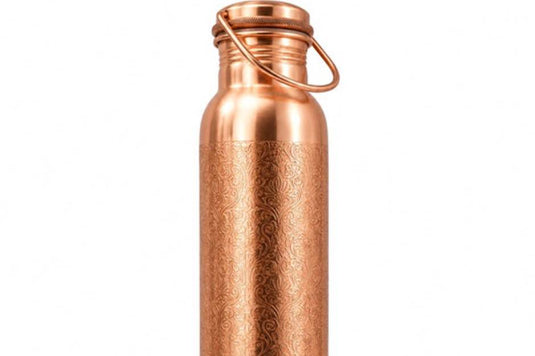
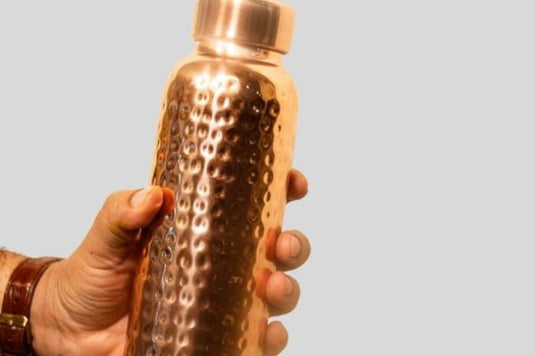
Hammered, embossed, and plain finishes each offer a different look and feel. Hand-hammered designs often hide minor scratches better over time, which matters if the bottle travels with you daily.
Leak-Proof Design
A stylish bottle means little if it leaks in your bag. Check for a secure threaded lid, ideally with a silicone seal, before finalizing a purchase.
Health Benefits Worth Knowing
Ayurvedic tradition holds that water stored in copper vessels, known as Tamra Jal, helps balance the body's natural energies. Modern interest tends to focus on more specific points:
- Copper has natural antimicrobial properties, sometimes referred to as the oligodynamic effect
- Trace amounts of copper support normal bodily function when consumed within safe daily limits
- Many users report the water tastes cleaner after overnight storage
- Copper is considered an essential trace mineral in a balanced diet
Storing water for six to eight hours, often overnight, is the commonly recommended window. It gives trace copper ions enough time to interact with the water without overdoing it.
Acidic drinks, including citrus water or soda, should stay out of copper bottles. The acidity reacts with the metal and can pull in more copper than is ideal.
How to Care for Your Copper Bottle
Copper rewards a little attention. Left alone, it will naturally darken over time, which is normal and not a sign of poor quality.
A simple care routine keeps it looking its best:
- Rinse with warm water after each use
- Clean every one to two days with mild soap
- Remove tarnish using a mix of lemon juice and salt
- Dry thoroughly before storing to avoid water spots
- Avoid dishwashers, as heat and detergent can damage the finish
None of this takes more than a few minutes, and the payoff is a bottle that stays functional for years rather than months.
Common Mistakes to Avoid When Choosing a Copper Bottle
Even well-intentioned buyers slip up occasionally. A few recurring mistakes are worth flagging:
- Buying based on price alone, without checking purity certification
- Ignoring capacity needs and later finding the bottle impractical
- Assuming all copper bottles are interchangeable in quality
- Skipping care instructions and expecting the bottle to maintain itself
- Storing acidic beverages despite clear warnings against it
Avoiding these missteps early saves both money and frustration down the line.
What to Look for in a Trustworthy Seller
Not every seller offers the same transparency. Before buying, it helps to check:
- Whether lab test certificates are publicly available
- Clear information about where and how the product is made
- Straightforward return and shipping policies
- Genuine customer reviews rather than only promotional claims
A seller confident in their product usually makes this information easy to find, not buried behind vague statements.
Copper Versus Steel and Plastic: What Actually Changes
Steel bottles keep water cold longer. Plastic bottles cost less upfront. Copper does neither of those particularly well, and that is fine, because it was never trying to compete on those terms. What copper offers instead is a slower, more deliberate relationship with your water. It reacts with what it holds, which is exactly the point of choosing it in the first place. Steel and plastic stay chemically inert, so nothing happens to the water beyond temperature change.

A pure copper water bottle works differently by design, infusing trace minerals the longer water sits inside it. Choosing between the three really comes down to what you want from a bottle: convenience, insulation, or a tradition-backed drinking ritual passed down over generations.
Conclusion
Selecting a copper bottle comes down to a handful of practical checks: verified purity, sensible capacity, solid craftsmanship, and a seller willing to back their claims with evidence rather than assumptions. Get that right, and the rest tends to fall into place.
For Australian buyers who want handcrafted, lab-tested copperware with clear purity documentation, Copper Store offers a range built around exactly these standards, from everyday bottles to gift-ready sets.
Frequently Asked Questions
Is it safe to drink water from a copper bottle every day?
Yes, when purity is verified and acidic drinks are avoided. Daily use within recommended copper intake levels is generally considered safe for most healthy adults.
What size copper bottle is best for daily use?
It depends on routine. A pure copper water bottle 500ml size suits light daily use, while 750ml to 1 litre options work better for extended hydration through the day.
How can I tell if a copper bottle is genuinely pure?
Check for an independent lab certificate stating purity percentage. Genuine copper also feels noticeably heavier than plated alternatives of similar size.
Can I store hot water in a copper bottle?
Cold or room-temperature water is recommended. Boiling water is best avoided, as extreme heat can affect the metal over time.